

Introduction
Teams are not built in meetings alone. They are built through shared experiences that break routine, encourage interaction, and create space for trust. The science of team building through recreation shows that when groups step outside of their everyday environment and engage in activities together, something powerful happens. Stress decreases, communication improves, and a sense of belonging begins to grow. Whether it is a group hike, paddling on a lake, or simply walking and brainstorming together, recreation gives teams a proven path to stronger cohesion and more creative collaboration.
How Recreation Becomes Science Backed Team Building
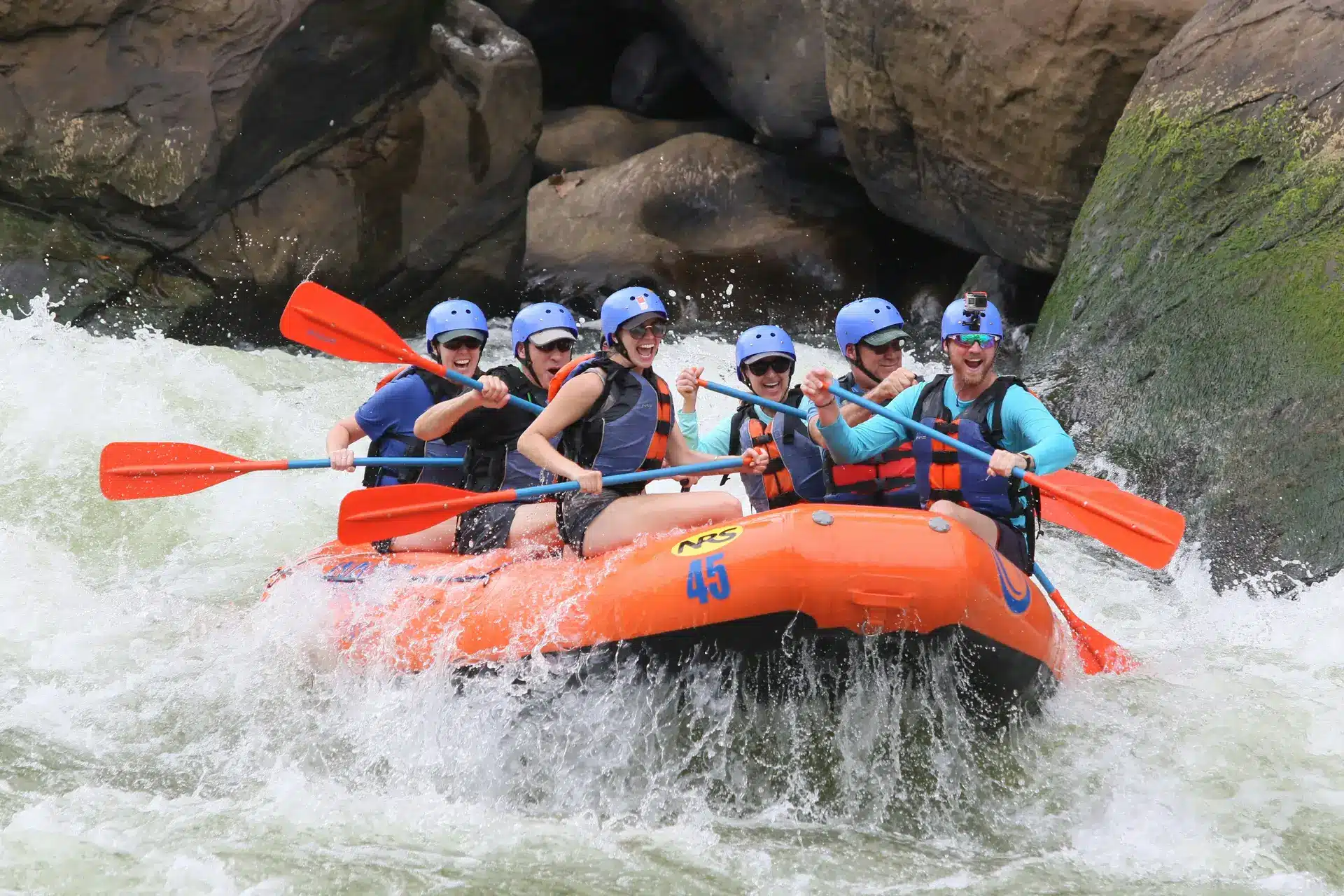
Recreation may look like leisure on the surface, but research confirms its measurable impact on performance. Studies show that time spent outdoors, often referred to as green exercise, improves both cognitive function and creativity. Teams that gather outside of the office are more likely to generate fresh ideas and approach challenges with renewed energy. The science also highlights that physical movement matters. Activities like walking, paddling, or hiking together synchronize team members and create deeper bonds than passive shared experiences. The act of moving together generates alignment and strengthens interpersonal trust in a way that sitting around a table rarely does.
The Underlying Mechanisms at Play
Recreation builds psychological safety through shared activity. When a team participates in the same movement, attention becomes aligned and stress naturally drops. This creates the conditions where people feel safe to share ideas and contribute more openly. At the same time, physical activity releases endorphins and improves cardiovascular health, which contributes to improved mood and mental readiness. Better energy translates directly into more engaged sessions and stronger collaboration. These biological and psychological mechanisms explain why teams that regularly engage in recreational activities often show higher levels of cohesion, communication, and overall satisfaction.
Cohesion and Career Sustainability
Team cohesion is not just about having a good time together. It is about creating sustainable energy for long term performance and retention. Research shows that when people participate in group recreation, whether in sports, hiking, or other outdoor activities, they feel more connected to their colleagues and their work. This sense of belonging reduces turnover and enhances career sustainability because people stay where they feel supported. Teams with high cohesion also tend to weather challenges more effectively, showing resilience during periods of change or uncertainty. Recreational activities provide a natural and accessible way to build this cohesion without forcing artificial exercises.
Recreation Versus Professionally Facilitated Team Building
It is important to recognize the difference between recreational team building and professionally facilitated programs. Facilitated team building delivers measurable performance improvements such as increased productivity, lower turnover, and clearer alignment. However, recreation still plays a unique role. It taps into the basic human drive for connection and creates authentic bonds in a low pressure environment. Recreation is not a replacement for structured facilitation but a complementary practice. Together they create a balance between intentional strategy and organic connection. This blend is often what makes corporate retreats and offsites both effective and memorable.
Best Practices for Teams
The best results from recreational team building come when activities are intentional. Choosing green exercise such as walking outdoors, hiking trails, or paddling not only refreshes attention but also stimulates creativity. Teams can incorporate brainstorming walks where ideas flow more freely than in traditional conference rooms. It is also important to include inclusive activities that ensure participation across different abilities so that no one feels left out. Combining low pressure recreational moments with structured debriefs allows the team to process insights and connect them to real goals. In practice, this looks like starting a retreat with a group hike and then transitioning into a facilitated session where reflections are shared and applied.
Realistic Takeaways
Recreation should not be seen as a side activity or a bonus but as a strategic component of team design. When teams move together, laugh together, and explore together, they activate what researchers call collective intelligence. The ability of the group to think and perform beyond the capacity of individual members. Shared recreational moments create bonds that carry into daily work, making collaboration smoother and more innovative. Leaders who prioritize these experiences see improved trust, stronger alignment, and better long term performance. The science is clear: recreation is not just fun, it is an investment in team success.
Conclusion
The science of team building through recreation shows that shared movement and outdoor activities create real outcomes. They strengthen trust, boost creativity, and build sustainable cohesion that keeps teams performing at their best. Whether it is a short offsite or a multi day retreat, incorporating recreational experiences provides the spark that transforms a group of individuals into a connected team. Leaders who design retreats with this in mind are not just planning events. They are building the conditions for long term clarity, belonging, and growth.


